
Let’s freshen up our upholstery with budget-friendly upholstery cleaning! We can identify the upholstery type to choose the right cleaning method. Regular vacuuming helps keep dust away.
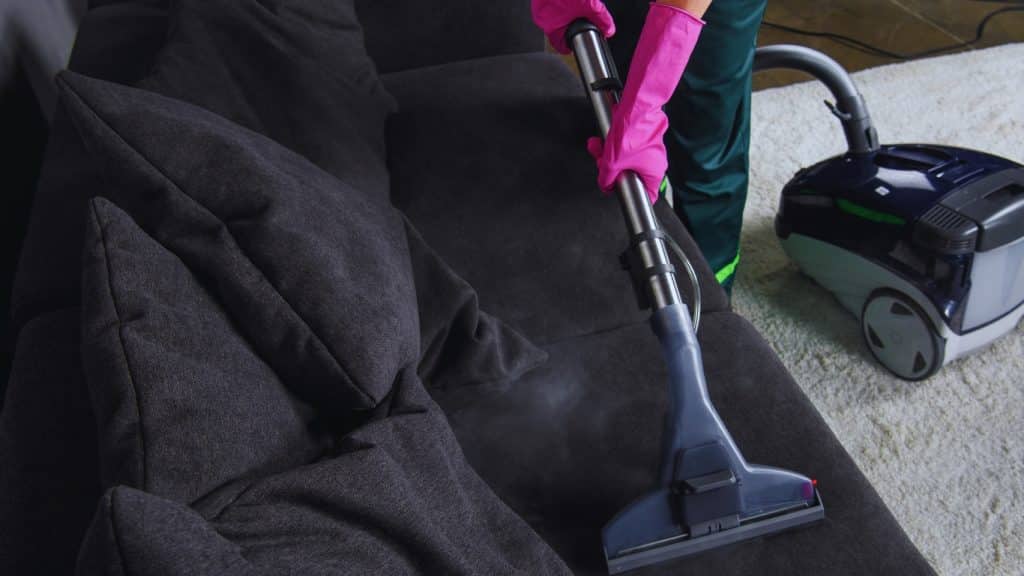
DIY cleaning solutions, like vinegar and baking soda, work wonders for stains. For tough spots, a quick spot cleaning can save the day. We should also consider budget-friendly steam cleaning options. Don’t forget to rinse and dry properly to avoid mold. Finally, we can protect our furniture with slipcovers and regular maintenance. By following these tips, we can keep our furniture looking great, and there’s plenty more to explore!
Key Takeaways
- Regularly vacuum upholstery with a soft brush attachment to remove dust and debris, maintaining freshness without expensive cleaning services.
- Create DIY cleaning solutions using household ingredients like vinegar, baking soda, and lemon juice for effective stain removal and deodorizing.
- Employ baking soda as a natural odor absorber by sprinkling it on upholstery and allowing it to sit before vacuuming.
- Rent or purchase budget-friendly steam cleaners for deep cleaning; ensure thorough vacuuming beforehand to maximize effectiveness.
- Apply fabric protectors after cleaning to prevent future stains and extend the life of your upholstery without high costs.
Identify Your Upholstery Type
When it comes to upholstery cleaning, the first step is identifying your upholstery type. Knowing the fabric characteristics of our furniture helps us choose the right cleaning methods and products. Different upholstery materials, like cotton, polyester, or leather, require unique care approaches. For instance, cotton is generally durable but can easily absorb stains, while leather needs specific cleaners to avoid damage.
Let’s inspect our upholstery closely. We should look for labels that often provide essential information about the fabric. If we can’t find a label, we can perform a simple test: rub a small, inconspicuous area with a damp cloth. If the fabric shows signs of color bleeding, we know it’s likely a dye-sensitive material, requiring gentle cleaning.
Understanding the upholstery type also lets us determine whether we should use water-based or solvent-based cleaners. This knowledge is crucial to avoid ruining our beloved furniture. By identifying our upholstery type and its fabric characteristics, we set ourselves up for a successful cleaning experience, ensuring our furniture remains beautiful and lasts longer. Additionally, knowing the upholstery type enables us to select the right specialized cleaning techniques that effectively remove dirt and allergens. So, let’s get started and explore our upholstery together!
Regular Vacuuming Techniques
To keep our upholstery looking fresh and inviting, we need to incorporate regular vacuuming into our cleaning routine. Establishing an effective vacuuming frequency is key—ideally, we should aim to vacuum at least once a week. By doing this, we can prevent dirt and dust from settling deep into the fibers, making our furniture look and smell better.
Utilizing the right upholstery attachments is essential for maximizing our efforts. These tools help us reach into crevices and around cushions where dirt can hide. Here are some techniques to make our vacuuming more effective:
- Start from the top: Always vacuum from the highest point to the lowest, allowing dust to fall down.
- Use slow, deliberate strokes: Rushing makes us miss debris.
- Focus on high-traffic areas: These spots accumulate dirt faster.
- Don’t forget the crevices: Upholstery attachments can get into those hard-to-reach places.
- Follow up with a lint roller: It’s perfect for picking up pet hair and lint.
DIY Cleaning Solutions
Now that we’ve covered regular vacuuming, let’s explore some DIY cleaning solutions we can easily whip up at home. By using common household ingredients, we can tackle tough stains and freshen up our upholstery without breaking the bank. Together, we’ll learn effective techniques for stain removal and natural deodorizing that really work!
Common Household Ingredients
Many of us have common household ingredients already at our fingertips that can work wonders for upholstery cleaning. Instead of spending money on expensive products, we can easily whip up our own solutions using what we have at home. Not only is it budget-friendly, but it’s also a fun way to tackle those pesky stains.
Here are some ingredients we can use to create effective cleaning solutions:
- White vinegar: A fantastic natural deodorizer and stain remover when mixed into a vinegar solution.
- Baking soda: Known for its ability to absorb odors and lift stains when sprinkled on upholstery before vacuuming.
- Lemon juice: This acidic powerhouse can help break down stains and leave a fresh scent.
- Dish soap: A few drops mixed with water can create a gentle cleaning solution for various fabrics.
- Olive oil: It can be mixed with vinegar to help condition and clean leather upholstery.
Effective Stain Removal Techniques
Using those common household ingredients, we can tackle a variety of stains on upholstery with simple DIY solutions. For instance, a mix of equal parts white vinegar and water works wonders on wine stains. We just blot the stain gently, avoiding any harsh rubbing, which can damage the fabric. For grease stains, we can sprinkle baking soda on the area before dabbing it with a cloth soaked in a mild dish soap solution. This helps lift the stain effectively.
It’s also important to consider stain prevention strategies. We can apply fabric protection tips, like using a fabric protector spray after cleaning. This acts as a barrier, making it easier to wipe away spills before they become permanent. Regular vacuuming is another great way to maintain the freshness of our upholstery and prevent dirt buildup.
Natural Deodorizing Solutions
To keep our upholstery smelling fresh, we can turn to several natural deodorizing solutions that are both effective and budget-friendly. These DIY methods not only help us save money but also ensure that our home remains a healthy environment. Let’s explore some of our favorite options:
- Vinegar solutions: Mixing equal parts of water and white vinegar creates a powerful deodorizer. It tackles odors while leaving no harsh chemical traces behind.
- Baking soda: Sprinkling baking soda on upholstery and letting it sit for a few hours absorbs unpleasant smells, making it a simple and effective choice.
- Essential oil blends: We can create our own unique scents by adding a few drops of our favorite essential oils, like lavender or lemon, to vinegar solutions or baking soda.
- Coffee grounds: Placing dry coffee grounds in a bowl near our upholstery can naturally absorb odors while providing a delightful aroma.
- Citrus peels: Leaving fresh citrus peels on or around our upholstery can infuse a refreshing scent into our living space.
Spot Cleaning Methods
When it comes to tackling common stains, we’ve got some effective spot cleaning methods to share. We’ll explore DIY cleaning solutions and the tools that make the job easier. With these tips, we can keep our upholstery looking fresh without breaking the bank.
Common Stains Solutions
Stains can be a pesky problem for upholstery, but thankfully, there are several effective spot cleaning methods we can try. It’s all about acting quickly and using the right techniques to tackle those frustrating marks.
Here are some common stain solutions we can utilize:
- Wine stains: Blot with a clean cloth and sprinkle salt to absorb the liquid.
- Grease spots: Use cornstarch to absorb the grease before vacuuming it up.
- Ink marks: Dabbing with rubbing alcohol can often lift the ink away.
- Pet accidents: A mixture of vinegar and water can help neutralize odors and stains.
- Food spills: Blot immediately with cold water and a bit of dish soap to lift the stain.
DIY Cleaning Solutions
There are several DIY cleaning solutions we can whip up at home to effectively tackle upholstery stains without breaking the bank. One popular method involves mixing equal parts white vinegar and water. This solution works wonders on many types of stains and can be applied directly to the affected area using a clean cloth. Be sure to test it on a hidden spot first to avoid any discoloration!
Another effective option is baking soda paste. We can create this by mixing baking soda with a bit of water to form a thick paste. Applying it to the stain, letting it sit for about 30 minutes, and then gently scrubbing can yield impressive results.
For those stubborn stains, a combination of dish soap and hydrogen peroxide can be a lifesaver. Just remember to store any leftover solutions in a labeled container for future use.
As we think about cleaning frequency, we should aim to tackle stains promptly to prevent them from setting in. With these accessible DIY cleaning solutions, we can keep our upholstery looking fresh and clean without spending a fortune!
Tools for Spot Cleaning
Having the right tools on hand can make a significant difference in our upholstery cleaning efforts. When it comes to spot cleaning, having effective cleaning tools is essential for tackling those unexpected stains and spills. Let’s look at some must-have items that can help us quickly respond to messes while keeping our budget intact:
- Soft-bristled brush: Great for gently lifting dirt without damaging fabric.
- Microfiber cloths: Perfect for blotting stains and absorbing moisture.
- Spray bottle: Ideal for applying our DIY cleaning solutions evenly.
- White vinegar: An inexpensive and effective natural cleaner for many stains.
- Baking soda: Helps deodorize and absorb tough odors.
Use a Fabric Brush
One effective tool in our upholstery cleaning arsenal is the fabric brush. By regularly using a fabric brush, we can maintain the appearance and longevity of our upholstered furniture. This simple tool helps lift dirt, dust, and pet hair from the fabric, ensuring our living spaces remain clean and inviting.
To get the most out of our fabric brush, we should employ specific brush techniques. We can start by gently brushing in the direction of the fabric’s weave. This technique not only removes debris but also helps to maintain the fabric’s texture. For stubborn spots or embedded dirt, we can apply a bit more pressure while still being cautious not to damage the upholstery.
Incorporating a fabric brush into our regular cleaning routine is a cost-effective way to enhance our fabric care efforts. By dedicating just a few minutes each week to this task, we can significantly improve the look and feel of our upholstery without breaking the bank. So, let’s grab our fabric brushes and commit to keeping our furniture in top shape; it’s an easy step toward a cleaner, more comfortable home.
Baking Soda for Odors
When it comes to tackling odors in our upholstery, baking soda is a powerful ally. Its odor absorption properties can help refresh our furniture, and applying it is easy and effective. After letting it sit, we simply need to rinse and vacuum to enjoy a cleaner, fresher space.
Odor Absorption Properties
Baking soda is our secret weapon for tackling stubborn odors in upholstery. Its incredible fabric absorption characteristics make it a go-to solution for neutralizing unwanted smells. When we sprinkle baking soda on our furniture, it works to absorb odors rather than simply masking them. This means we’re employing effective odor neutralization techniques without breaking the bank.
We love using baking soda because it’s:
- Cost-effective and widely available
- Non-toxic and safe for families and pets
- Versatile for various fabrics and surfaces
- Easy to use, requiring no special tools
- Highly effective against even the toughest smells
We’ve noticed that when we allow it to sit for a while, it draws out deep-set odors, leaving our upholstery fresher. Plus, it’s a natural alternative to chemical-laden products that can harm our health and the environment. By harnessing the power of baking soda, we can revitalize our furniture and create a more inviting space. So, let’s embrace this budget-friendly solution and enjoy the refreshing results it brings to our upholstery!
Application Techniques
Having explored the odor absorption properties of baking soda, it’s time to look at some effective application techniques. One of the simplest methods we can use is the spray technique. We can mix a tablespoon of baking soda with water in a spray bottle, shaking it well to create a light solution. By lightly misting the affected upholstery, we can ensure the baking soda penetrates the fabric without over-saturating it. Just remember to keep the spray distance about six to eight inches from the surface to avoid drenching.
Another great option is the foam application. For this, we can mix baking soda with a small amount of water to create a thick paste. We can then apply this foam directly onto stubborn odor spots using a clean cloth or sponge. This technique allows the baking soda to sit longer on the fabric, providing deeper odor absorption.
After letting either method sit for at least 15 minutes, we can enjoy the refreshing scent of freshly cleaned upholstery. These easy techniques help us maintain a budget-friendly approach while keeping our furniture smelling great!
Rinsing and Vacuuming
After allowing the baking soda to work its magic, we need to focus on rinsing and vacuuming to fully eliminate odors from our upholstery. First, let’s talk about rinsing techniques. We can use a damp cloth or sponge to gently wipe down the fabric, ensuring we remove any remaining baking soda. It’s crucial to avoid soaking the upholstery, as excess moisture can lead to mold or mildew.
Once we’ve rinsed, it’s time to tackle vacuuming. Regular vacuuming frequency is essential in maintaining fresh-smelling furniture. By vacuuming at least once a week, we can keep dirt and allergens at bay. Here’s what we should remember during this process:
- It’s satisfying to see dirt disappear as we vacuum.
- Fresh upholstery makes our living spaces feel inviting.
- We can breathe easier knowing allergens are reduced.
- The pride in maintaining our belongings boosts our mood.
- A clean home reflects our personal care and attention.
Steam Cleaning on a Budget
While many of us might think steam cleaning requires expensive equipment, we can actually achieve great results on a budget with a little creativity and resourcefulness. One of the best options is to consider a steam cleaner rental. Many local hardware stores offer rentals at a fraction of the cost of buying a machine. This way, we can access high-quality equipment without breaking the bank.
If renting isn’t an option, we can also look for affordable steamers online or at discount retailers. These smaller, budget-friendly steam cleaners can still pack a punch and effectively tackle stains and odors on our upholstery. When choosing a steamer, it’s important to check reviews and ensure it fits our cleaning needs.
Before we start, let’s make sure to prep our upholstery by vacuuming thoroughly. This helps remove loose dirt and debris, making our steam cleaning efforts more effective. With a little planning and the right tools, we can achieve a fresh, clean look for our furniture without the hefty price tag. Let’s dive into steam cleaning and see how much of a difference it can make!
Rinse and Dry Properly
Rinsing and drying our upholstery properly is crucial for achieving the best results after steam cleaning. If we skip this step or don’t do it right, we can end up with residues, odors, or even mold. Let’s explore some effective rinse techniques and drying methods to ensure our upholstery stays fresh.
For rinsing, we should use clean water to remove any remaining cleaning solution. We can gently blot the fabric with a damp cloth or use a wet vacuum for more thorough rinsing. Afterward, drying is just as important. Here are some tips to help us out:
- Use fans to increase air circulation and speed up drying.
- Open windows to let in fresh air and natural light.
- Avoid direct sunlight to prevent fading our upholstery.
- Blot excess moisture with a clean, dry towel to soak up any remaining water.
- Consider a dehumidifier if the room feels damp.
Protecting Upholstery Post-Cleaning
Maintaining the freshness of our upholstery after a thorough cleaning is essential for its longevity and appearance. We can take a few simple steps to protect our investment and ensure it stays looking great. First, let’s consider upholstery protection methods like applying a fabric protector. These products create a barrier against stains and spills, making it easier to clean up any accidents that may happen later on.
Additionally, we should avoid placing our freshly cleaned upholstery in direct sunlight, as UV rays can cause fading. Instead, let’s arrange our furniture in a way that minimizes exposure to light. Regularly rotating cushions can also help maintain their shape and prevent uneven wear.
For post cleaning care, we might want to keep pets off the furniture for a while. This allows any residual cleaning agents to fully dry and prevents fur from settling into our newly cleaned upholstery. Lastly, using throws or slipcovers can provide an extra layer of protection, especially in high-traffic areas. By implementing these strategies, we’ll not only enhance the cleanliness of our upholstery but also extend its life significantly.
Maintenance Tips for Longevity
Our upholstery deserves regular attention to ensure it lasts for years to come. By incorporating essential fabric care practices into our routine, we can protect our investment and enjoy a beautiful living space. Here are some preventive measures we can take to maintain our upholstery:
- Vacuum regularly to remove dust and debris that can wear down the fabric.
- Rotate cushions to distribute wear evenly and keep them looking fresh.
- Treat stains immediately to prevent them from setting in, using gentle cleaners when necessary.
- Use fabric protectants to create a barrier against spills and stains, extending the life of our upholstery.
- Avoid direct sunlight by rearranging furniture or using window treatments to prevent fading.
Frequently Asked Questions
How Often Should I Clean My Upholstery on a Budget?
When it comes to cleaning our upholstery, we should consider some frequency guidelines. Typically, we can aim for a deep clean every 6 to 12 months, depending on usage and lifestyle. To keep costs down, we can explore cost-effective methods like using homemade cleaning solutions or renting a steam cleaner. Regular vacuuming can also help maintain cleanliness. By following these practices, we’ll keep our upholstery looking great without breaking the bank!
Can I Use a Regular Vacuum for Upholstery Cleaning?
Absolutely, we can use a regular vacuum for upholstery cleaning! It’s essential to have the right vacuum attachments, though, as they help us reach those tricky spots without damaging upholstery fabrics. We should always start with a soft brush attachment to avoid snagging. Regular vacuuming keeps our upholstery looking fresh and extends its life. Let’s make sure we incorporate this step into our cleaning routine for the best results!
Are Homemade Cleaning Solutions Safe for All Fabric Types?
When we think about homemade cleaning solutions, we often wonder about fabric compatibility. Not all fabrics react the same way to DIY cleaners, so we should carefully test any solution on a hidden area first. It’s easy to fall for cleaning myths that suggest all fabric types are safe for homemade remedies, but that’s not true. Let’s prioritize safety and ensure our furniture looks great without risking damage.
What Tools Do I Need for Effective Upholstery Cleaning?
When it comes to upholstery cleaning, we all know that having the right tools can make all the difference. To tackle those stubborn stains, we need some essential cleaning tools like a vacuum with upholstery attachments, soft brushes, and microfiber cloths. By using effective upholstery cleaning techniques, we’ll ensure our furniture looks fresh and inviting. Let’s roll up our sleeves, gather our tools, and give our upholstery the care it deserves!
How Can I Remove Pet Hair From Upholstery Easily?
When it comes to removing pet hair from upholstery, we’ve found some effective removal techniques that really work. First, we use a rubber glove; just dampen it and run our hands over the fabric. The hair clumps up, making it easy to pick off. We’ve also had success with a lint roller for quick clean-ups. Finally, a vacuum with a pet hair attachment does wonders for thorough cleaning. Give these a try!