
Hygienic housekeeping keeps your home clean and healthy, focusing on high-traffic areas and implementing effective routines.
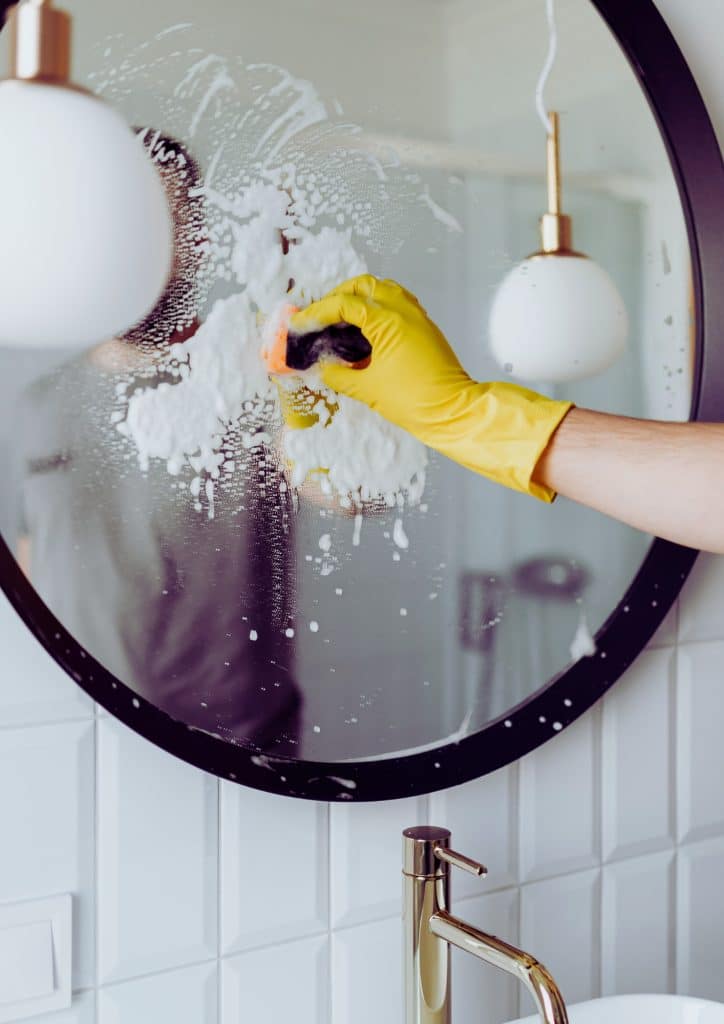
Start by maintaining daily cleaning tasks like dusting and sanitizing kitchen surfaces. Don’t forget deep cleaning weekly, especially in overlooked spots like doorknobs and light switches. Use the right tools, like microfiber cloths and HEPA-filter vacuums, for efficient cleaning. Keep essential supplies organized and easily accessible. Remember to involve everyone in creating a culture of cleanliness. By establishing these habits, you’ll enhance the hygiene of your living space. If you want to explore more tips and strategies, there’s plenty more to discover.
Key Takeaways
- Implement regular cleaning routines for all home areas, focusing on high-traffic spaces to maintain hygiene standards.
- Prioritize deep cleaning tasks, especially in high-touch areas like doorknobs and light switches, to minimize germ spread.
- Use eco-friendly cleaning products to ensure a safe and healthy environment while effectively removing dirt and grime.
- Designate specific days for various chores and incorporate quick tidy-ups to prevent clutter accumulation.
- Foster a culture of cleanliness among household members to enhance overall hygiene and maintain a clean living space.
Understanding Hygienic Housekeeping
When you think about maintaining a clean home, understanding hygienic housekeeping is vital to your overall health and well-being. Hygienic housekeeping goes beyond mere tidiness; it involves implementing effective hygiene practices that help minimize germs and allergens. Start by establishing cleanliness standards for each area of your home, focusing on high-traffic spaces like kitchens and bathrooms, where bacteria tend to thrive.
To achieve these standards, prioritize regular cleaning routines. Daily tasks, such as wiping down surfaces and washing dishes, help maintain a basic level of cleanliness. Weekly deep cleans—like scrubbing floors and disinfecting countertops—are essential for preventing the buildup of dirt and grime. Don’t forget about less obvious areas, such as light switches, doorknobs, and remote controls, which can harbor harmful germs.
Additionally, encourage good hygiene practices among household members. Teach everyone to wash their hands frequently and properly, especially after using the bathroom or before meals. By fostering a culture of cleanliness, you can greatly enhance your home environment. Regular cleaning not only maintains cleanliness but also preserves the condition of your property. Ultimately, understanding hygienic housekeeping empowers you to create a safe, healthy space for yourself and your loved ones.
Essential Cleaning Supplies
To maintain a hygienic home, you need a solid set of essential cleaning supplies. Start with must-have tools that streamline your cleaning routine, then consider eco-friendly products that are safe for both your family and the environment. Finally, organizing your supplies efficiently guarantees you can tackle any mess quickly and effectively. For comprehensive cleaning, consider professional cleaning services that offer tailored solutions for homes and businesses, ensuring a spotless finish.
Must-Have Cleaning Tools
Equipping yourself with the right cleaning tools is essential for maintaining a hygienic home environment. Start with a sturdy vacuum cleaner, ideally one with HEPA filters, to capture dust and allergens. Pair it with microfiber cloths for effective dusting; they trap dirt without scattering it around. Don’t forget a quality mop—consider a steam mop, which sanitizes surfaces while cleaning.
Invest in essential cleaning gadgets like a squeegee for streak-free windows and a scrub brush for tough stains. A good set of sponges, both abrasive and non-abrasive, will help you tackle various surfaces. For bathrooms, a toilet brush with a holder is a must, ensuring you keep things tidy and hygienic.
Regular tool maintenance is key to extending the life of your cleaning supplies. Clean your vacuum filters and brushes regularly, and replace them as needed. Rinse sponges and cloths frequently, allowing them to dry properly to avoid bacteria growth. By keeping your cleaning tools in top shape, you not only enhance their effectiveness but also contribute to a cleaner, healthier home. For professional assistance, consider reaching out to Alquin Cleaning Services for customizable cleaning solutions tailored to your needs.
Eco-Friendly Cleaning Products
Choosing eco-friendly cleaning products is a smart way to maintain a hygienic home while being kind to the planet. By opting for products made with sustainable ingredients, you not only guarantee a cleaner environment for your family but also contribute to a healthier ecosystem. Eco-friendly cleaners often come with green certifications, which confirm that they meet specific environmental standards.
Here are three key benefits of using eco-friendly cleaning products:
- Healthier Home: They’re free from harsh chemicals, reducing the risk of respiratory issues and skin irritations.
- Biodegradable Packaging: Many eco-friendly products come in recyclable or biodegradable containers, minimizing plastic waste.
- Effective Cleaning Power: Don’t be fooled; these products can be just as effective as traditional cleaners, tackling dirt and grime without harmful effects.
Organising Supplies Efficiently
An efficient cleaning routine relies heavily on organising your essential cleaning supplies. Start by designating a specific area for supply storage, like a cleaning caddy or a dedicated shelf. This keeps everything accessible and prevents chaos when you need to grab items quickly.
Next, assess your inventory management. Take stock of what you have and categorize your supplies—group similar items together, such as all-purpose cleaners, disinfectants, and sponges. Label containers or shelves for easy identification, guaranteeing that you can find what you need without wasting time.
Consider investing in transparent bins or drawer organizers to maintain visibility and prevent overbuying. Regularly check your inventory to confirm you’re stocked up on essentials while discarding any expired or ineffective products.
Lastly, keep a running list of your supplies. This not only helps you stay organized but also aids in planning your shopping trips efficiently. By focusing on supply storage and inventory management, you’ll create a streamlined cleaning process that saves you time and effort, making your housekeeping routine more effective and enjoyable.
Daily Cleaning Routines
Establishing daily cleaning routines is key to maintaining a hygienic home. You’ll want to focus on essential tasks that keep your space fresh and organized, while also incorporating time-saving tips to streamline your efforts. By prioritizing these routines, you can create a clean environment without feeling overwhelmed.
Essential Cleaning Tasks
Daily cleaning routines are the backbone of a hygienic home, ensuring that your living space remains fresh and welcoming. By incorporating essential cleaning tasks into your daily agenda, you not only maintain cleanliness but also make seasonal maintenance easier. Here are three key tasks to include in your cleaning schedules:
- Dusting: Wipe down surfaces, shelves, and furniture to eliminate dust buildup, which can trigger allergies.
- Vacuuming and Sweeping: Regularly tackle floors to remove dirt and debris, preventing them from accumulating over time.
- Kitchen Sanitation: Clean countertops, appliances, and sinks daily to keep germs at bay and promote a healthy cooking environment.
Time-Saving Tips
Incorporating efficient cleaning routines can considerably cut down the time you spend on household chores. Start your day with a quick 10-minute tidy-up; focus on high-traffic areas like the living room and kitchen. This prevents clutter from piling up and sets a positive tone for the day.
Next, try the “clean as you go” technique while cooking. This cleaning hack helps you maintain a tidy kitchen without dedicating extra time later. After meals, spend just five minutes wiping down counters and loading the dishwasher.
Consider designating specific days for different tasks. For example, tackle laundry on Mondays and bathrooms on Tuesdays. This approach spreads out chores, making them feel less overwhelming. Use timers for quick bursts of cleaning, like 15-minute sessions, to boost your productivity.
Lastly, keep cleaning supplies handy. Store essentials in each room to reduce the time spent gathering items. These productivity tips streamline your cleaning process, allowing you to maintain a hygienic home without dedicating your entire weekend to chores. With these strategies, you’ll find that managing your household becomes more efficient and less stressful.
Deep Cleaning Strategies
When it comes to deep cleaning your home, having a well-structured strategy is vital for achieving thorough results. By using effective deep cleaning techniques and seasonal cleaning checklists, you can tackle your cleaning tasks efficiently and maintain a hygienic environment.
Start by creating a detailed plan that breaks down the cleaning process into manageable steps. Here are three key strategies to take into account:
- Prioritize Areas: Focus on high-traffic zones and areas that accumulate dirt over time. Create a list of these spots to make sure nothing gets overlooked.
- Use the Right Tools: Equip yourself with quality cleaning supplies. This includes heavy-duty cleaners for tough stains, microfiber cloths for dusting, and vacuum attachments for hard-to-reach areas.
- Schedule Regular Deep Cleanings: Incorporate deep cleaning into your seasonal cleaning checklists. Set specific dates for deep cleaning tasks to maintain consistency and prevent buildup.
High-Touch Areas to Focus On
After establishing a solid deep cleaning routine, it’s important to zero in on high-touch areas that can harbor germs and bacteria. Focus on kitchen surfaces, as they often come into contact with food and hands. Wipe down countertops, cutting boards, and cabinet handles daily using disinfectant wipes or sprays. Don’t forget frequently used appliances, like the microwave and refrigerator door handles.
Next, turn your attention to bathroom fixtures. These areas are prime spots for germs due to their heavy usage. Clean and disinfect sinks, faucets, toilet handles, and light switches regularly. Be sure to scrub the toilet bowl and surrounding areas with a suitable cleaner to eliminate any lingering bacteria.
Additionally, think about light switches and doorknobs throughout your home. These small yet frequently touched surfaces can easily spread germs. Wipe them down with disinfectant at least once a week, or more often in high-traffic areas.
Maintaining Indoor Air Quality
Indoor air quality plays an essential role in your overall health and comfort at home. If you want to breathe clean air, it’s vital to implement effective air purification and ventilation strategies. Here are some steps you can take:
- Invest in Air Purifiers: Use HEPA filters to trap allergens, dust, and pollutants. This can greatly reduce indoor contaminants.
- Guarantee Proper Ventilation: Open windows when possible to promote fresh air circulation. Consider exhaust fans in areas like kitchens and bathrooms to eliminate moisture and odors.
- Regular Maintenance: Change HVAC filters regularly and schedule professional cleanings to make certain your systems operate efficiently.
Frequently Asked Questions
How Often Should I Replace Cleaning Supplies?
You should replace your cleaning supplies based on their lifespan, which varies by product. For example, sponges and brushes typically last a few weeks, while all-purpose cleaners can last several months. Keep an eye on their effectiveness—if they’re not working well, it’s time for a change. Consider eco-friendly alternatives; they often have shorter lifespans but are better for the environment. Regularly assess your supplies to guarantee peak cleaning performance and sustainability.
Can I Use Natural Products for Hygienic Housekeeping?
Using natural products for cleaning is like choosing a refreshing change over a stuffy room. You can absolutely use eco-friendly cleaners and DIY solutions to keep your space clean and healthy. Ingredients like vinegar, baking soda, and essential oils are effective and safe. These alternatives not only minimize chemical exposure but also benefit the environment. So, get creative and mix your own cleaning solutions, ensuring a clean, safe home for you and your family.
What Are the Benefits of Hiring a Professional Cleaner?
Hiring a professional cleaner offers significant benefits. First, it saves you time, allowing you to focus on what truly matters in your life. You’ll appreciate the convenience of a clean space without the hassle of doing it yourself. Furthermore, professional cleaners possess expert knowledge about effective cleaning techniques and products, ensuring your home gets a thorough clean. This combination of efficiency and expertise enhances your living environment while freeing up your schedule for more enjoyable activities.
How Do I Handle Pet-Related Cleaning Challenges?
Handling pet-related cleaning challenges involves a few key steps. First, tackle pet odor by using enzymatic cleaners that break down the source, ensuring a fresher environment. For fur removal, invest in a quality vacuum with a pet hair attachment; it makes the process efficient. Regularly brush your pets to minimize shedding, and wash their bedding frequently. By staying proactive, you can maintain a clean and pleasant home despite the furry companions.
What Are the Best Practices for Laundry Hygiene?
Imagine you’ve just returned from a muddy hike, and your clothes are a mess. For effective laundry hygiene, always sort your laundry by color and fabric care instructions. Use the hottest water safe for the fabrics to guarantee proper laundry sanitization. Don’t overload the washer; it needs space to clean effectively. Finally, dry clothes thoroughly to prevent mildew, and consider adding a disinfectant to the wash for extra cleanliness.
Incorporating hygienic housekeeping into your routine transforms your space from a breeding ground for germs to a sanctuary of health. While daily cleaning keeps surfaces fresh, deep cleaning reveals the hidden dirt lurking in corners. As you focus on high-touch areas, you’re not just wiping away grime; you’re actively protecting your loved ones. Balancing cleanliness with indoor air quality creates a harmonious environment where you can thrive. Embrace these practices, and watch your home blossom into a truly welcoming haven.