
Living or managing property along the KwaZulu-Natal coast brings beautiful ocean views, but it also brings a constant battle against indoor moisture. Margate’s warm climate, combined with high atmospheric humidity and persistent salt air, creates ideal conditions for mold spores to settle on walls, ceilings, carpets, and soft furnishings.
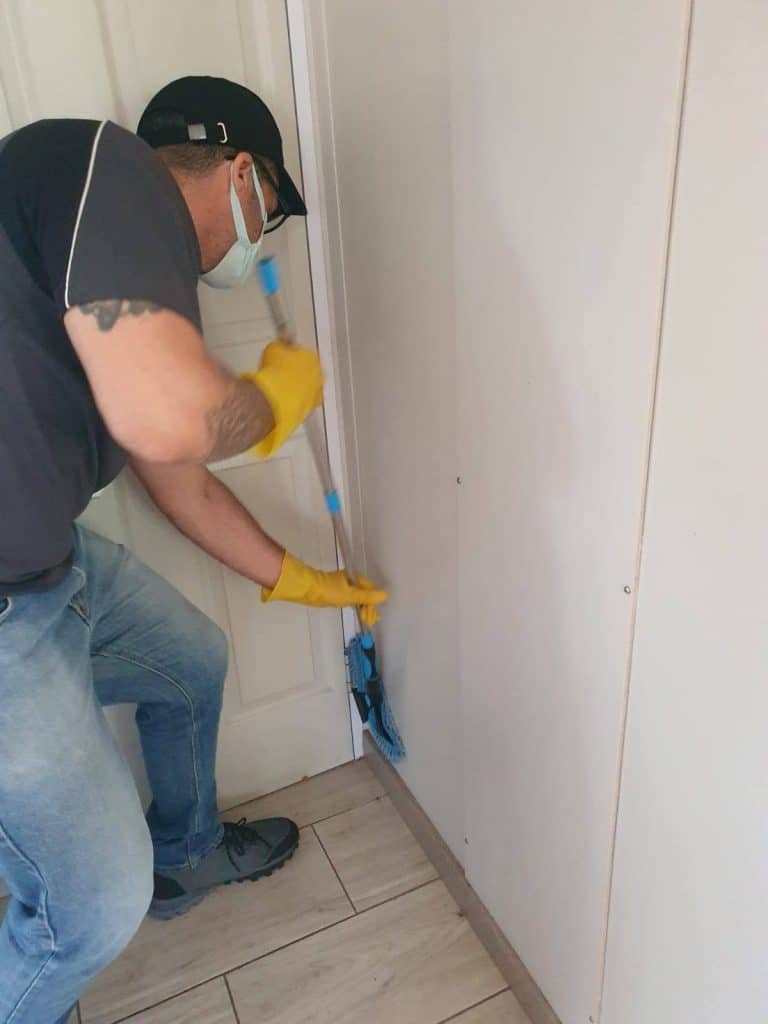
Keeping Your Margate Property Fresh and Mold-Free
When damp ocean breezes flow through open windows, microscopic moisture particles settle deep into fabrics and quiet corners. Over time, what starts as a faint musty smell can quickly turn into dark patches along skirting boards or discolored spots on couches and curtains. Addressing these issues early protects your living spaces, keeps indoor air smelling clean, and preserves the condition of your furniture. Whether you oversee a busy beachfront holiday rental, manage an office space, or care for your family home, understanding how moisture behaves in our coastal environment is the first step toward maintaining a healthy, fresh indoor environment. Effective mold removal Margate relies on direct action, sound moisture control, and thorough hygiene practices tailored specifically to coastal living.
Understanding Why Coastal Humidity Drives Mold Growth in Margate
Ocean air carries fine sea-salt particles that drift indoors through doors, windows, and ventilation paths. Salt naturally draws moisture out of the air and holds onto it tightly. When salt-laden air breezes enter homes and offices across Margate, South Africa, tiny salt residues coat fabrics, blinds, and wall surfaces. This residue continuously pulls ambient humidity into soft furnishings and carpets, keeping them slightly damp even on warm or sunny days.
Without consistent ventilation and deep surface cleaning, this dark, moist environment allows organic growth to thrive rapidly. Soft furnishings absorb this lingering atmospheric moisture like a sponge, leading to stale odors that routine surface dusting simply cannot fix. Understanding this relationship between salt air, humidity, and fabric care helps property owners take targeted steps to protect their interior spaces.
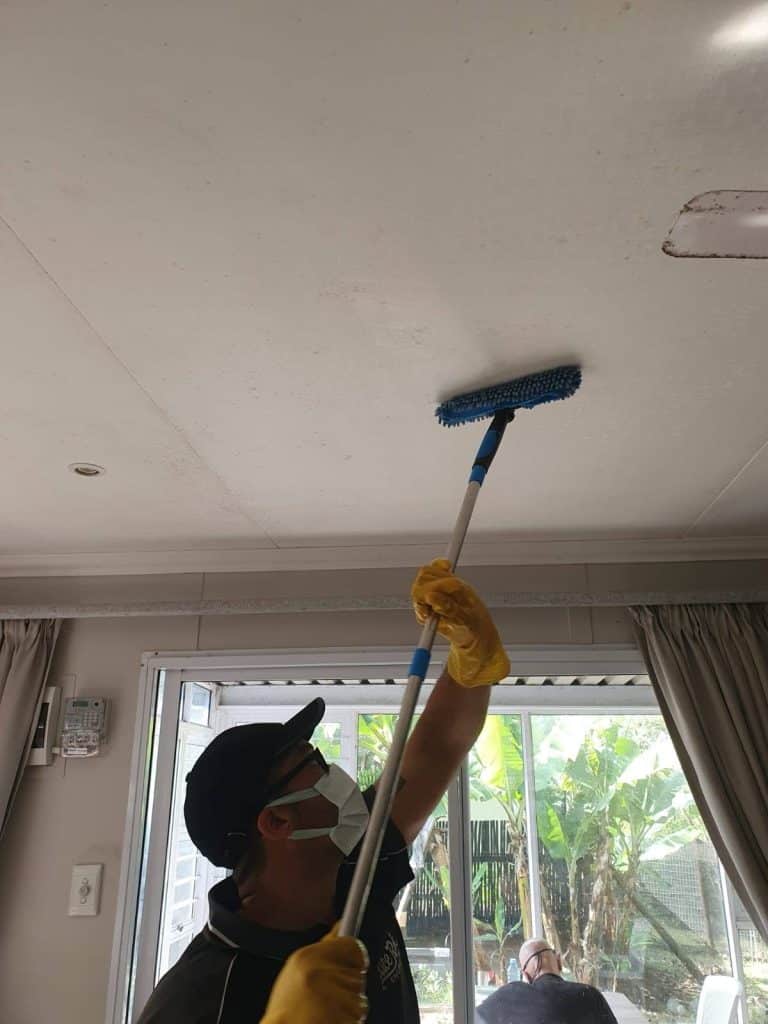
Early Warning Signs of Moisture Build-Up in Your Property
Catching dampness early prevents deep fabric staining and heavy surface growth. One of the first signs of moisture retention is a heavy, stale odor upon entering a room that has been closed up overnight. Another common indicator is a tacky or slightly clammy feeling when touching fabric sofas, dining chairs, or throw pillows.
You might also notice discolored spots along lower wall corners, behind heavy window curtains, or under mattresses in bedrooms. In coastal holiday homes left unoccupied between guest visits, salt residue often leaves a dull film on glass and window frames, trapping humidity indoors. Paying close attention to these subtle changes allows property owners to intervene before moisture spreads across larger areas. Utilizing targeted care like Upholstery Stain Removal helps lift trapped dirt and absorbed dampness before permanent fiber damage occurs.
Practical Daily Habits for Controlling Indoor Dampness
Preventing organic growth requires managing how air and moisture move through your building on a daily basis. Cross-ventilation is essential—opening windows on opposite sides of the building on dry, breezy afternoons helps push out stagnant, humid indoor air.
Here are four practical habits to keep indoor moisture under control:
Promote Air Circulation: Keep large furniture items set slightly away from exterior walls so air can flow behind headboards, wardrobes, and lounge sets.This ensures ease of mold removal Margate.
Use Moisture Absorbers: Place simple moisture-trapping tubs in closed cupboards, wardrobes, and under beds to capture excess humidity.
Wipe Down Hard Surfaces: Regularly clean window sills, frames, and tiled surfaces with clean water and gentle soap to strip away sticky salt deposits.
Manage High-Turnover Spaces: For property managers running busy guest spaces requiring fast Airbnb Turnover Cleaning, ensure all damp towels and bath mats are removed immediately after guest departures.
For properties preparing for new tenants, scheduling an End of Tenancy Deep Clean ensures that lingering moisture, dust, and salt deposits are removed completely from every corner before the next occupant moves in.
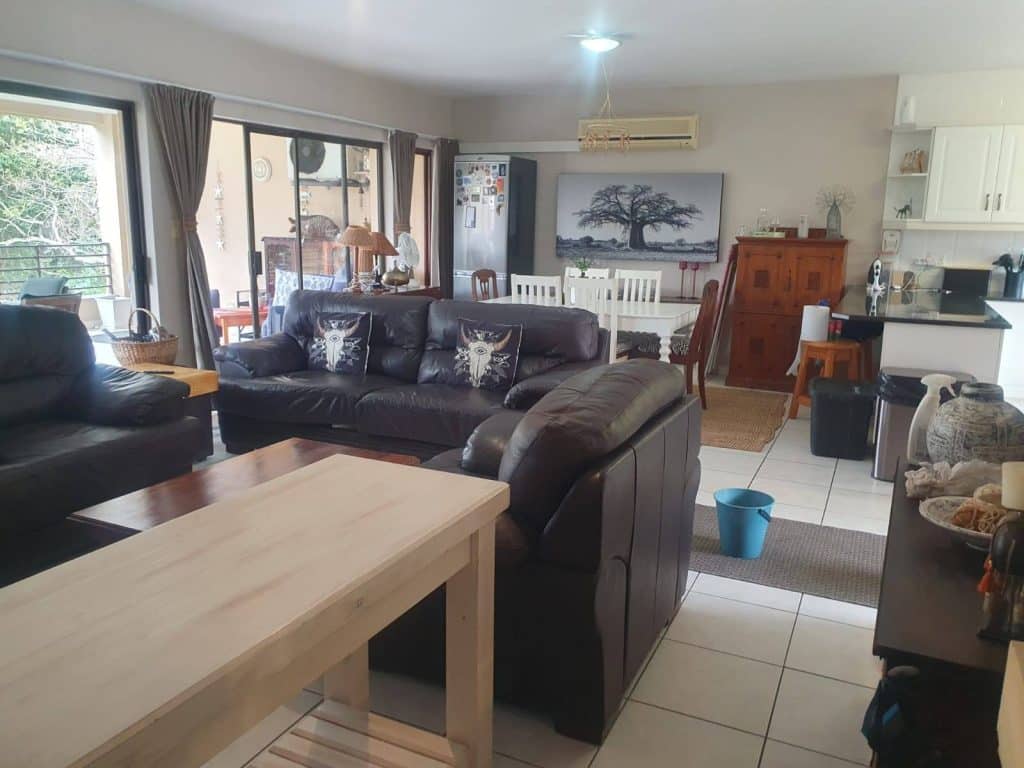
Deep Cleaning Methods for Carpets and Soft Furnishings
Once mold spores settle deep into carpet backings or thick lounge upholstery, basic surface vacuuming is rarely enough to remove them. Deep cleaning techniques are required to break down trapped grime, lift salt residue, and extract embedded moisture thoroughly.
Carpet Steam Cleaning uses heated water extraction to reach deep down into carpet fibers. This process loosens salt deposits and dirt while extracting the moisture completely, allowing carpets to dry quickly and thoroughly. For coastal accommodation providers, scheduling regular Holiday Home Sanitation helps maintain clean, fresh interiors year-round, keeping guest feedback positive and protecting valuable furnishings from premature wear. Ensuring every surface is completely dry after any deep clean is essential, as lingering moisture will only invite fresh dampness to take root.
Frequently Asked Questions
Q: How often should holiday rentals in Margate undergo Mold Removal?
A: Coastal holiday rentals benefit from a deep clean every three to six months, alongside routine cleaning between guest stays. Constant exposure to sea air causes salt and moisture to accumulate faster than in inland properties, making regular deep care essential for maintaining fresh indoor air.
Q: Can carpet steam cleaning help eliminate lingering musty odors?
A: Yes. Hot water extraction penetrates deep into carpet fibers where odor-causing particles and damp dust settle. By lifting out salt residue and extracting trapped moisture, steam cleaning restores freshness to the carpet pile, provided the carpet is allowed to dry completely in a well-ventilated space.
Q: Why does mold return so quickly in coastal properties?
A: Margate’s high humidity and salt-heavy air create continuous moisture indoors. If salt air residue remains on surfaces or if indoor ventilation is limited, airborne spores quickly find the moist environment attractive again. Regular surface cleaning and active humidity control are needed to keep it away.
Q: How does salt air contribute to dampness indoors?
A: Salt particles carried in ocean breezes settle on furniture, curtains, and carpets. Salt naturally attracts atmospheric water droplets, causing fabrics and hard surfaces to stay damp longer than usual, which accelerates organic surface growth if left uncleaned.
Keeping Your Space Clean, Fresh, and Welcoming
Maintaining a clean, comfortable property along the KwaZulu-Natal coast requires steady attention, but with consistent ventilation routines and attentive surface care, you can control dampness and enjoy your space with confidence. Protecting your carpets, lounge suites, and living areas ensures a healthier environment for your family, guests, or staff.
When surface dampness, stubborn spots, or heavy salt buildup require detailed attention, working with experienced cleaning professionals who understand coastal conditions ensures your property stays in top shape. To protect your home, office, or rental property, reach out to Alquin’s Cleaning Services today to request a mold removal cleaning quote and enjoy a fresh, spotlessly clean indoor environment.
When surface dampness, stubborn spots, or heavy salt buildup require detailed attention, working with experienced cleaning professionals who understand coastal conditions and mold removal, ensuring your property stays in top shape. To protect your home, office, or rental property, reach out to Alquin’s Cleaning Services today to request a mold removal in Margate cleaning quote and enjoy a fresh, spotlessly clean indoor environment.